How to keep track of borrowed items and remember to return them
· Editorial team newswithdavidla.com
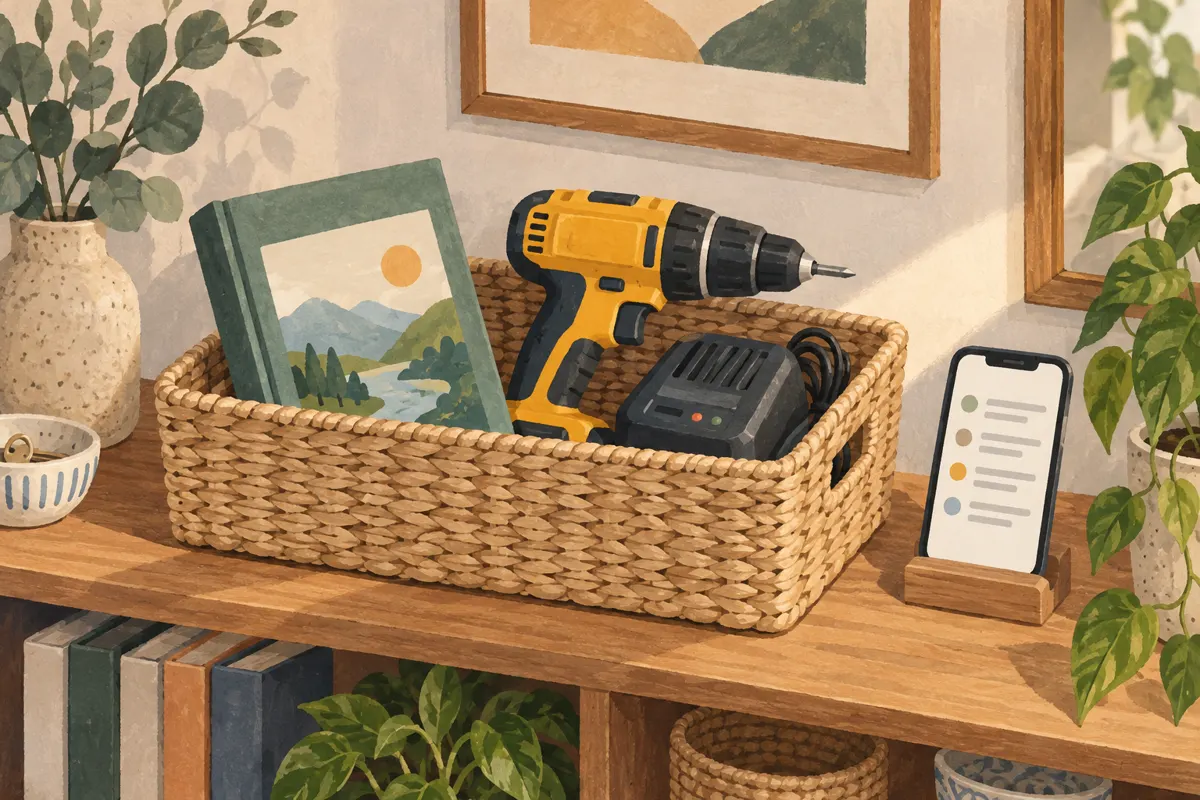
Record every borrowed item in one list, agree on when to return it, and set a reminder that leaves time to arrange the handoff. Once you finish using something, put it in a designated return spot. The following proposed routine uses these simple habits to keep borrowing manageable without relying on memory.
Keep one list you can update immediately
Choose a phone note, a small notebook or an item-tracking app as your main record. Use whichever you can reach when someone hands you a book, tool or kitchen appliance. Record the loan before putting the item away; otherwise, the first step becomes another thing to remember.
- What it is, with enough detail to distinguish it from similar belongings.
- Who owns it.
- The date you borrowed it.
- The agreed return date or next check-in date.
- Any accessories, care instructions or existing damage.
An example entry might read: “Maya’s cordless drill, borrowed Saturday, return Thursday, includes charger and two batteries.” Add a photo when several parts belong together. If you also lend things out, keep them in a separate part of the same list so you can tell what you owe from what someone owes you.
Agree on a return date before taking it home
Ask when the owner needs the item back. A specific date gives you something you can put on a calendar. If the answer is “whenever you’re done,” propose a date based on your intended use: “I’ll finish with it this weekend. Can I bring it back Monday?”
For an open-ended loan, agree on a check-in date instead of inventing a deadline the owner never requested. Record it clearly as a check-in. That gives you a chance to ask whether they need the item and decide whether to keep borrowing it.
Discuss the handoff too. Returning something at your next shared dinner is a workable plan only if that dinner is scheduled. If the owner needs it sooner, arrange another time rather than leaving the return dependent on a chance meeting.
Make reminders tell you what to do
Set a reminder early enough to prepare the item and contact its owner. Give it an action-focused title, such as “Text Maya to arrange drill return,” rather than just “Drill.” When you confirm the handoff, add the time and place to your calendar.
Dedicated apps are an option if you regularly borrow or lend several things. The supplied Borrowed store listings describe item records, photos and reminders. Those features can support this routine, but a note and calendar reminder can also hold the essential details.
As a proposed maintenance habit, review your list once a week, perhaps while planning errands. Look for items you have finished using, approaching return dates and handoffs that still need arranging. If a reminder appears at an inconvenient moment, reschedule the action instead of simply dismissing it.
Give items ready to return a designated spot
Choose a shelf, basket or other suitable place for items waiting to go back. Keep it separate from everyday storage so a borrowed book does not disappear into your own collection. Choose a spot that keeps the belongings secure and leaves walkways clear.
- Check its condition and follow any care instructions the owner gave you.
- Gather its case, charger, attachments or other accompanying pieces.
- Place everything together in the return spot.
- Update your list to “ready to return” and arrange the handoff.
For anything too large for that spot, record its location and put a reminder there instead. Before leaving for an agreed return, check your list and collect the complete item.
Close the loan and handle delays directly
Mark an item returned after the owner receives it, rather than when you pack it. If you agree to leave it somewhere, send a short message confirming the location. Keep the entry pending if receipt is uncertain.
If you need more time, contact the owner before the agreed date: “I still need the ladder. Would returning it Friday work, or do you need it sooner?” Update your record only after you agree on the change.
If something is lost, damaged or missing a part, explain what happened promptly and discuss a remedy with the owner. Keep that next action on your list until it is resolved. Packing, returning and resolving a problem are separate actions; your record should show which one remains.